
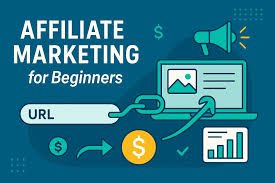
Ready to launch your affiliate marketing journey in 2025? Many aspiring entrepreneurs are seeking their digital goldmine, and discovering the right beginner programs is often the first step to unlocking passive income. It’s an exciting time to dive into the world of affiliate marketing, where you can connect products and services with eager audiences, earning commissions along the way. This guide will help you navigate the landscape, select impactful opportunities, and build a sustainable income stream from your very first affiliate program success. We’ll demystify the process, offering actionable advice to ensure your initial ventures are both fruitful and enjoyable.
The Foundation: What is Affiliate Marketing and Why Start Now?
Affiliate marketing is a performance-based marketing strategy where businesses reward one or more affiliates for each visitor or customer brought by the affiliate’s own marketing efforts. Essentially, you promote products or services you believe in, and when someone makes a purchase through your unique link, you earn a commission. It’s a powerful model because it’s a win-win-win: customers find great products, businesses get new sales, and you earn money for connecting them.
The beauty of affiliate marketing, especially for beginners, lies in its accessibility and low barrier to entry. You don’t need to create your own products, handle inventory, or manage customer service. Your primary role is to drive traffic and encourage conversions. This freedom allows you to focus solely on marketing and building a trusted audience around topics you’re passionate about.
Starting in 2025 presents unique advantages. The digital landscape continues to evolve, offering diverse platforms and sophisticated tracking tools. Consumer trust in online recommendations is higher than ever, and niche markets are readily available for exploration. Furthermore, the rise of AI-powered content creation tools can significantly aid in generating high-quality promotional materials, making it easier for new affiliates to compete.
Many successful affiliate marketers started exactly where you are today, by carefully selecting their first affiliate program opportunities. The key is to approach it strategically, understanding that consistent effort and a genuine desire to help your audience will yield the best results. Don’t be swayed by “get rich quick” schemes; instead, focus on building value and trust.
This path offers incredible flexibility. You can work from anywhere, set your own hours, and scale your efforts as your expertise grows. For those seeking financial independence and a flexible career, exploring beginner programs in affiliate marketing is a highly compelling option.
Finding Your Niche and Understanding Your Audience
Before diving into specific beginner programs, the most critical step is to identify your niche. A niche is a specialized segment of the market for a particular kind of product or service. Choosing a niche isn’t just about what interests you, but also about where you can genuinely add value and find an audience actively looking for solutions.
Think about your passions, hobbies, and areas of expertise. Do you love gaming, cooking, sustainable living, or personal finance? Your genuine interest will make the journey more enjoyable and authentic. An authentic voice is crucial in affiliate marketing, as people connect with real people, not just sales pitches.
Once you have a few potential niches, research their profitability and audience size. Use tools like Google Trends, keyword planners, and social media analytics to gauge interest. Look for communities online – forums, Facebook groups, subreddits – where people are discussing problems and seeking recommendations related to your niche. This will reveal the questions your future audience is asking and the solutions they need.
Understanding your audience goes beyond demographics. You need to grasp their pain points, aspirations, spending habits, and preferred content formats. Are they looking for in-depth reviews, quick tutorials, or inspiring stories? Knowing this will inform your content strategy and help you select the most relevant beginner programs.
For example, if your niche is “eco-friendly home living,” your audience might be interested in sustainable products, energy-saving tips, or DIY cleaning solutions. These insights will directly influence the types of affiliate programs you pursue. Without a clear niche and audience understanding, your efforts to promote your first affiliate program will be scattered and far less effective.
Consider starting with a micro-niche. Instead of “fitness,” perhaps “home fitness for busy parents.” This allows you to speak directly to a specific group, build trust faster, and face less competition. As you gain experience, you can always expand your reach. This focused approach is often the fastest route to success for affiliate marketing beginners.
Selecting Your First Affiliate Programs
Choosing the right affiliate programs is paramount for your initial success. Not all programs are created equal, and some are far better suited for beginners than others. Focus on programs that align with your chosen niche, offer products or services you genuinely endorse, and provide a fair commission structure.
When evaluating potential programs, look for a few key characteristics. First, consider the product’s quality and reputation. Promoting subpar products will erode your audience’s trust. Second, assess the commission rate. While higher rates are attractive, consider the product’s price point and conversion potential. A lower commission on a high-converting, frequently purchased item might be more lucrative than a high commission on a niche, expensive product with low demand.
Third, examine the cookie duration. This refers to how long a customer’s click on your affiliate link is tracked. Longer cookie durations give you more time to earn a commission if the customer takes a while to decide. Fourth, look for programs that offer robust affiliate support, including promotional materials, accurate tracking, and helpful account managers.
There are various types of beginner programs available. Some focus on physical products, like those found on Amazon, while others specialize in digital products, software, or services. Each has its pros and cons, depending on your niche and content style. Digital products often have higher commission rates because of lower overheads, but physical products might be easier to visualize and review.
Many beginners start with large, reputable affiliate networks that host thousands of different programs. These platforms simplify the process of finding and joining programs, managing links, and tracking earnings. They act as intermediaries between affiliates and merchants, streamlining the entire operation. Let’s compare some popular networks that are great for finding beginner programs.
Comparison of Popular Affiliate Networks for Beginners
| Affiliate Network | Barrier to Entry | Product/Service Types | Commission Model | Ideal For |
|---|---|---|---|---|
| Amazon Associates | Very Low (easy approval) | Vast range of physical products | Percentage of sale (typically 1-10%) | Beginners, content creators reviewing physical products, broad niches. |
| ShareASale | Moderate (merchant approval required) | Physical & digital products, services | Percentage of sale, CPL, CPS | Fashion, home goods, business services, bloggers, diverse niches. |
| ClickBank | Low (easy approval) | Mainly digital products (eBooks, courses, software) | High percentage of sale (often 50-75%) | Digital marketers, health, wealth, self-help, info product promotion. |
| CJ Affiliate (formerly Commission Junction) | Moderate to High (merchant approval required) | Wide range of physical & digital, services | Percentage of sale, CPL, CPS | Established bloggers, larger publishers, those seeking brand-name partners. |
Beyond these networks, many companies offer in-house affiliate programs. You might find these by searching for “[company name] affiliate program” or “[product type] affiliate program.” These can sometimes offer higher commissions or more direct support, but require you to manage each program individually. For your first affiliate program, starting with a network like Amazon Associates can be less intimidating due to its ease of use and wide product selection.
Remember to diversify your affiliate portfolio as you grow. Don’t put all your eggs in one basket. By promoting various beginner programs from different networks and merchants, you mitigate risk and open up multiple income streams. Always choose programs that resonate with your audience and align with your content strategy for the best long-term success.
Crafting Your Content and Promotion Strategy
Once you’ve selected your first affiliate program opportunities, the next crucial step is to develop a compelling content and promotion strategy. Your content is the bridge between your audience and the products you’re promoting. It needs to be informative, engaging, and genuinely helpful, not just a sales pitch.
Start by identifying the best content formats for your niche and audience. This could include blog posts, product reviews, comparison articles, tutorials, social media posts, YouTube videos, or email newsletters. Each format has its strengths. For instance, a detailed blog post is excellent for SEO and in-depth reviews, while short-form videos on TikTok or Instagram Reels are perfect for quick tips and product demonstrations.
Your content should always focus on solving a problem or fulfilling a need for your audience. Instead of just saying “buy this product,” explain *why* it’s beneficial, *how* it works, and *who* it’s best for. Share your personal experiences if you’ve used the product. Authenticity builds trust, and trust is the currency of affiliate marketing.
When incorporating your affiliate links, ensure they are placed naturally and transparently. Always disclose that you are using affiliate links, as this is often a legal requirement and helps maintain audience trust. Phrases like “As an Amazon Associate, I earn from qualifying purchases” or “This post contains affiliate links” are common and effective.
Generating traffic to your content is just as important as the content itself. For beginners, common traffic sources include:
– Search Engine Optimization (SEO): Optimizing your content with relevant keywords to rank higher in Google search results. This is a long-term strategy but provides highly targeted, passive traffic.
– Social Media Marketing: Building a following on platforms like Instagram, Pinterest, Facebook, or TikTok and sharing your content and recommendations.
– Email Marketing: Building an email list and sending out newsletters with valuable content and affiliate offers. This is one of the most effective long-term strategies for direct communication with your audience.
– Paid Advertising: While potentially expensive for beginners, platforms like Google Ads or Facebook Ads can provide immediate, targeted traffic if managed correctly. Start small and test thoroughly.
Focus on one or two traffic sources initially to avoid getting overwhelmed. Master them before expanding. For many starting out, a combination of SEO-optimized blog content and social media promotion can be a powerful duo for promoting beginner programs. Remember to analyze your results regularly to see what’s working and what needs adjustment.
Consistency is key. Regularly producing high-quality content and engaging with your audience will build momentum over time. Don’t get discouraged if you don’t see immediate results. Affiliate marketing is a marathon, not a sprint, and persistent effort will lead to your first affiliate program successes.
Measuring, Optimizing, and Scaling Your Affiliate Endeavors
Achieving success in affiliate marketing isn’t just about creating content and dropping links; it’s about understanding what works and continuously refining your approach. Data is your best friend when it comes to optimizing your efforts and scaling your income from your chosen beginner programs.
The first step is to track your performance. Most affiliate networks and programs provide dashboards where you can monitor clicks, conversions, and earnings. Beyond these, you should also be tracking your own content’s performance. Use tools like Google Analytics to see how many visitors your pages receive, where they come from, and how long they stay. Pay attention to bounce rates and conversion rates for specific articles or videos.
Key metrics to focus on include:
– Clicks: How many people are clicking your affiliate links?
– Conversion Rate: What percentage of clicks lead to a sale?
– Earnings Per Click (EPC): How much do you earn, on average, for each click on your link? This helps compare the effectiveness of different beginner programs or promotions.
– Return on Investment (ROI): If you’re spending money on ads or tools, are you earning more than you spend?
Once you have data, you can start optimizing. This involves making small, iterative changes to improve your results. This process is often called A/B testing or split testing. For example, you might test different headlines for a blog post, varying calls to action, or even the placement of your affiliate links within content. Does a button perform better than text link? Does a review with a personal story convert more effectively?
Don’t be afraid to experiment. If a certain type of content isn’t performing well, try a different approach. If one of your beginner programs isn’t converting, look for alternatives that might better resonate with your audience or offer a more appealing product.
Scaling your affiliate endeavors means growing your income over time. Once you’ve found a winning formula with your initial beginner programs, you can replicate it. This might involve:
– Expanding into new content formats (e.g., starting a YouTube channel if you’re primarily a blogger).
– Exploring new traffic sources (e.g., launching paid ads after perfecting your organic strategy).
– Diversifying your affiliate partnerships by joining more networks and promoting additional products within your niche.
– Building an email list to cultivate a direct relationship with your audience, offering exclusive content and deals.
– Creating your own digital products or services to complement your affiliate offers, establishing yourself as an authority.
Remember that scaling takes time and continuous learning. Stay updated with industry trends, participate in affiliate marketing communities, and always prioritize providing value to your audience. The more trust you build, the more successful your affiliate journey will become. Consistently analyzing, adapting, and growing is the blueprint for long-term success with your first affiliate program and beyond.
You’ve now got the tools and strategies to begin your journey to affiliate marketing success in 2025. From understanding the basics to selecting the best beginner programs, crafting engaging content, and meticulously tracking your progress, each step is crucial. Remember to stay authentic, provide genuine value to your audience, and be persistent in your efforts. The world of affiliate marketing offers incredible potential for those willing to learn and adapt.
Don’t wait for the “perfect” moment. Start small, learn as you go, and apply the principles outlined here to find your first affiliate program goldmine. The most important action you can take now is to simply begin. For more insights or collaboration opportunities, visit www.agentcircle.ai.
Frequently Asked Questions About Finding Your First Affiliate Program
What is the easiest affiliate program to start with?
For most beginners, Amazon Associates is often recommended as the easiest starting point. It has a simple sign-up process, a massive product catalog, and a trusted brand name that many consumers already use. While commissions can be lower, the high conversion rate often makes up for it, especially for those learning the ropes.
How much can a beginner make in affiliate marketing?
Earnings vary widely depending on niche, effort, and strategy. Some beginners might earn a few dollars their first month, while others might reach a few hundred. Consistency is key; as you build an audience and optimize your content, earnings can grow significantly. It’s a journey, not an overnight success.
Do I need a website to start affiliate marketing?
While a website provides the most stable and professional foundation for affiliate marketing (especially for SEO), you don’t strictly *need* one to start. You can use social media platforms (YouTube, Instagram, TikTok, Pinterest), email lists, or even direct outreach, though many platforms have rules about direct linking. A website offers control and better long-term potential.
How do I get approved for affiliate programs?
Approval processes vary. Networks like Amazon Associates have minimal requirements. For others, merchants typically look for a relevant platform (website, social media presence), existing audience, and content quality. Be honest in your application, ensure your platform is professional, and clearly explain how you plan to promote their products.
What are the biggest mistakes beginners make in affiliate marketing?
Common mistakes include not choosing a niche, promoting too many irrelevant products, keyword stuffing, neglecting transparent disclosure of affiliate links, giving up too soon, and focusing solely on sales pitches instead of providing value to their audience. Patience and a value-first approach are critical.