
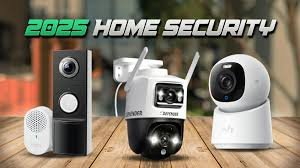
Secure your home in 2025 with top smart security systems. Discover advanced features, AI integration, and the best options to keep your property safe and give you peace of mind.
Feeling vulnerable in today’s unpredictable world is a common concern, but modern technology offers powerful solutions. The landscape of home protection has transformed dramatically, moving far beyond simple alarms to embrace sophisticated smart security systems. These advanced setups provide unparalleled peace of mind by integrating seamlessly into our lives, offering real-time monitoring, intelligent automation, and proactive threat detection. This comprehensive guide will explore the leading smart security options for 2025, helping you choose the perfect system to safeguard what matters most.
The Evolution of Smart Security: Beyond Basic Alarms
Gone are the days when home security meant just a loud siren and a contact sensor. Today’s smart security systems represent a paradigm shift, leveraging the power of connectivity, artificial intelligence, and advanced sensors to create truly intelligent protection networks. They don’t just react to intrusions; they often predict and prevent them.
This evolution is driven by several key technological advancements. Miniaturized sensors, high-definition cameras with night vision, and sophisticated algorithms have allowed for much more granular and accurate monitoring. Furthermore, the rise of the Internet of Things (IoT) has enabled these devices to communicate and cooperate, forming a cohesive security ecosystem.
From Reactive to Proactive Defense
Traditional security systems were largely reactive. An alarm would sound *after* a break-in occurred, alerting neighbors or a monitoring center. While still valuable, this approach often meant the damage was already done. Modern smart security shifts this paradigm significantly.
– Predictive analytics: AI algorithms can learn daily routines and flag unusual activities, such as a package being left and then quickly removed, or a gate being opened at an odd hour.
– Real-time alerts: High-definition cameras with motion detection send instant notifications to your smartphone, often with live video feeds, allowing you to assess situations immediately.
– Remote control: Arming and disarming your system, locking doors, and adjusting lights can all be done from anywhere in the world, giving you ultimate control.
This proactive stance means potential threats can often be identified and deterred before they escalate, providing a much higher level of protection and peace of mind.
Key Features Defining Next-Gen Smart Security Systems
As we look towards 2025, the features distinguishing leading smart security platforms are becoming increasingly sophisticated. These aren’t just incremental improvements; they are transformative capabilities that redefine what home security can achieve.
Advanced AI and Machine Learning Capabilities
Artificial intelligence is at the heart of next-generation smart security. AI-powered analytics allow cameras to differentiate between a pet, a car, or a human, significantly reducing false alarms.
– Facial recognition: Some systems can recognize known family members, alerting you only to unfamiliar faces.
– Package detection: Receive alerts specifically when a package is delivered and another if it’s moved, combating porch piracy.
– Sound detection: Microphones can pick up unusual sounds like glass breaking, gunshots, or even a smoke alarm, even if the primary fire detector isn’t integrated.
These intelligent features mean your system is not just recording events but actively interpreting them, providing you with more relevant and actionable information.
Seamless Integration and Ecosystem Compatibility
A truly smart security system doesn’t operate in a vacuum. It integrates smoothly with your broader smart home ecosystem, creating a cohesive and automated environment.
– Smart locks: Grant temporary access, check door status, and lock/unlock doors remotely.
– Smart lighting: Program lights to turn on when motion is detected or create a “vacation mode” to simulate occupancy.
– Smart thermostats: Integrate with security modes to optimize energy usage when the home is armed or vacant.
The ability for various devices to communicate and automate tasks based on security events dramatically enhances both convenience and protection. When your security camera detects motion, it can trigger the smart lights to deter intruders and simultaneously send an alert to your phone.
Enhanced Privacy and Data Security
With great power comes great responsibility, especially concerning personal data and privacy. Leading smart security providers are focusing heavily on robust encryption, secure cloud storage, and transparent data policies.
– End-to-end encryption: Ensures that video feeds and data transmissions are secure from eavesdropping.
– Local storage options: Some systems offer the ability to store footage locally, reducing reliance on cloud services for privacy-conscious users.
– Two-factor authentication: Adds an extra layer of security to your accounts, preventing unauthorized access.
Choosing a system that prioritizes these aspects is crucial for protecting your digital footprint as much as your physical home.
Top Smart Security Systems to Consider in 2025
The market for smart security is bustling with innovative players, each offering unique strengths. For 2025, several brands continue to stand out for their comprehensive features, reliability, and user-friendly interfaces. Selecting the right one depends on your specific needs, budget, and desired level of integration.
Comparison of Top Smart Security Systems
| Product | Price | Pros | Cons | Best For |
|---|---|---|---|---|
| Ring Alarm Pro | $249 – $499+ | Integrated Eero Wi-Fi 6 router, 24/7 professional monitoring, wide range of accessories, self-monitoring option. | Requires Ring Protect subscription for full features, battery backup only with subscription, privacy concerns for some users. | DIY enthusiasts, those seeking network security integration, existing Ring users. |
| SimpliSafe Gen 3 | $229 – $500+ | Easy DIY installation, no contracts required for monitoring, cellular backup included, comprehensive sensor options. | Camera quality can be inconsistent, smart home integration is more limited than competitors, design is less sleek. | Renters, budget-conscious buyers, those prioritizing ease of setup and no-contract monitoring. |
| Arlo Pro 5S 2K | $199 – $599+ | Exceptional 2K HDR video quality, color night vision, integrated spotlight, robust weather resistance, local storage option. | Higher upfront cost, subscription needed for advanced AI features and cloud storage, short battery life in high-traffic areas. | Users prioritizing top-tier camera quality, outdoor surveillance, and advanced AI detection. |
| Google Nest Secure (discontinued, but Nest Cams are key) | $99 – $299+ (for cameras) | Deep integration with Google Home ecosystem, excellent facial recognition on some cameras, sleek design, helpful alerts. | Original Nest Secure system discontinued; relies on individual Nest Cams and Doorbell, requires Google Home for full experience. | Existing Google Home users, those valuing advanced AI detection and seamless ecosystem integration. |
Deeper Dive into Leading Options
– **Ring Alarm Pro:** This system is notable for its integrated Eero Wi-Fi 6 router, turning your security hub into a core networking device. It offers robust security features, including optional 24/7 professional monitoring, cellular and battery backup, and a vast ecosystem of cameras, doorbells, and sensors. It’s an excellent choice for those wanting a comprehensive security and networking solution in one.
– **SimpliSafe:** Renowned for its straightforward DIY installation and no-contract professional monitoring options, SimpliSafe appeals to those who want flexibility without sacrificing security. Its comprehensive suite of sensors covers everything from entry points to environmental threats like water leaks and freezing pipes. While its camera quality might not rival premium brands, its reliability and ease of use make it a strong contender.
– **Arlo:** For users prioritizing top-tier video surveillance, Arlo’s cameras are hard to beat. The Arlo Pro 5S 2K, for example, delivers crisp 2K HDR footage, wide viewing angles, and advanced motion detection. Its wireless design makes installation flexible, and features like integrated spotlights and color night vision enhance its deterrent capabilities. A subscription unlocks its full potential, including cloud storage and AI-powered activity zones.
– **Google Nest (via Cams/Doorbell):** While the original Nest Secure system has been phased out, Google’s individual Nest Cams and Doorbell remain powerful smart security devices. They integrate deeply with the Google Home ecosystem, offering advanced AI features like facial recognition and intelligent alerts. Their sleek design and user-friendly interface make them popular for those already invested in Google’s smart home platform.
Integrating Your Smart Security into a Connected Home
The true power of smart security unfolds when it’s not just a standalone system but a seamless component of your entire connected home. This integration extends beyond simple device compatibility to creating automated routines and synchronized responses that enhance both convenience and safety.
Building a Unified Smart Home Ecosystem
Achieving true smart home integration means selecting devices that speak the same language or can communicate through a central hub. Major platforms like Apple HomeKit, Google Home, and Amazon Alexa serve as the brains of many smart homes.
– **Platform choice:** Decide which ecosystem you want to build around. This will guide your product selections, as devices often offer better performance within their native ecosystems.
– **Hubs and bridges:** Some devices may require a dedicated hub (like a Zigbee or Z-Wave hub) to connect to your main smart home platform, expanding your options.
– **IFTTT (If This Then That):** For advanced users, IFTTT allows you to create custom automations between different brands and services that might not natively integrate.
A well-integrated system means your smart lights, thermostats, and entertainment systems can all react to security events, creating a more responsive and protective environment.
Automating Your Home for Enhanced Safety
With a unified smart security setup, you can program routines that trigger automatically based on various events or times. These automations can simulate occupancy, deter intruders, or simply make your life easier.
– **”Away” routine:** When you arm your smart security system, automatically turn off all lights, lower the thermostat, and lock all smart locks.
– **”Intruder detected” routine:** If a camera detects an unfamiliar person, flash internal and external lights, play loud music, and send alerts to your and your neighbors’ phones.
– **”Welcome home” routine:** When your smart lock detects your presence, disarm the system, turn on essential lights, and adjust the thermostat to a comfortable temperature.
These automated responses not only add layers of protection but also conserve energy and streamline your daily interactions with your home.
DIY vs. Professional Installation: What’s Right for Your Smart Security?
Deciding between installing your smart security system yourself or hiring professionals is a significant consideration. Both approaches offer distinct advantages and disadvantages, and the best choice often depends on your technical comfort, budget, and desired level of support.
The DIY Approach: Freedom and Flexibility
Many modern smart security systems are designed with DIY installation in mind, offering straightforward setup processes and intuitive apps.
– **Pros of DIY:**
– Cost savings: Eliminates installation fees, which can be substantial.
– Flexibility: You control where every sensor and camera goes, allowing for custom placement.
– Immediate use: No waiting for technician appointments; you can install and activate your system on your schedule.
– Understanding your system: You gain a deeper understanding of how your system works, making troubleshooting easier.
– **Cons of DIY:**
– Technical challenges: May require some comfort with technology, Wi-Fi networks, and device pairing.
– Time commitment: Installation can take several hours, especially for larger homes or complex systems.
– Potential errors: Mistakes in placement or configuration could lead to security vulnerabilities or false alarms.
For those who are tech-savvy and enjoy hands-on projects, DIY smart security offers a rewarding and cost-effective path to home protection.
Professional Installation: Expertise and Peace of Mind
Opting for professional installation means relying on experts to set up and configure your smart security system. This is particularly appealing for complex systems or for individuals who prefer a hassle-free experience.
– **Pros of Professional Installation:**
– Expert setup: Technicians ensure optimal placement and configuration for maximum effectiveness.
– Time-saving: You don’t have to dedicate your own time to the installation process.
– Troubleshooting support: Professionals can often resolve complex issues more quickly and efficiently.
– Warranties and guarantees: Many professional services come with installation warranties.
– **Cons of Professional Installation:**
– Higher cost: Installation fees add to the overall expense of the system.
– Scheduling: You’ll need to coordinate appointments, which can sometimes be inconvenient.
– Less familiarity: You might not understand the system’s intricate workings as well as if you installed it yourself.
Professional installation is often recommended for larger homes, intricate setups, or for those who prioritize convenience and expert assurance over cost savings.
The Future Landscape of Smart Security: AI and Proactive Defense
The rapid pace of technological innovation ensures that smart security will continue to evolve dramatically beyond 2025. The trends point towards even more intelligent, autonomous, and integrated systems that can anticipate threats and act proactively.
Hyper-Personalized Security
Future systems will leverage even more sophisticated AI to create truly personalized security profiles. Imagine a system that not only recognizes faces but also learns individual gait patterns, distinguishing between a family member and an unfamiliar person from a distance.
– Biometric integration: Deeper integration with biometrics like fingerprint or iris scanning for access control.
– Contextual awareness: Systems will understand daily routines with greater precision, detecting anomalies based on time, weather, and even local events.
– Predictive modeling: Using vast amounts of data to predict potential crime hotspots or vulnerabilities in your area and proactively suggest adjustments to your security setup.
Autonomous and Drone-Based Surveillance
While still in nascent stages for residential use, the concept of autonomous surveillance is gaining traction. Imagine drones that can patrol your property perimeter at set intervals or in response to detected activity.
– Drone integration: Small, quiet drones could provide aerial views of larger properties, acting as mobile security cameras.
– Robot patrols: Indoor robots could navigate your home, monitoring for environmental hazards or unusual activity when you’re away.
These technologies would offer unprecedented levels of coverage and responsiveness, extending the reach of your smart security system significantly.
Ethical Considerations and Regulations
As smart security systems become more powerful and pervasive, ethical considerations surrounding privacy, data usage, and potential biases in AI will become even more critical. Expect increased regulatory oversight and industry standards to ensure these technologies are deployed responsibly.
– Data anonymization: Stronger mandates for anonymizing collected data to protect individual privacy.
– Algorithmic transparency: Greater clarity on how AI systems make decisions and identify threats.
– Consent and control: Enhanced user controls over data collection and sharing within security platforms.
Navigating these challenges will be crucial for the continued acceptance and growth of advanced smart security solutions.
The advancements in smart security offer a powerful shield against modern threats, providing not just protection, but genuine peace of mind. By understanding the evolving features and top systems available, you can confidently choose a solution that empowers you to never worry again about the safety of your home and loved ones. Embrace the future of home protection and take the step towards a smarter, more secure tomorrow. For more insights or collaboration opportunities, visit www.agentcircle.ai.
Frequently Asked Questions (FAQ)
How much does a good smart security system cost?
The cost varies widely based on the system’s complexity, brand, and features. Basic DIY systems can start around $200-$300 for core components, while comprehensive professional-grade systems with installation and monitoring can range from $500 to over $1,500 upfront, plus monthly monitoring fees (typically $10-$60).
Do smart security systems require a monthly subscription?
Many smart security systems offer a subscription service, often called professional monitoring, which provides 24/7 surveillance by a central station that can dispatch emergency services. Subscriptions also frequently unlock advanced features like cloud storage for video, AI analytics, cellular backup, and extended warranties. While some systems offer self-monitoring without a subscription, you might miss out on key benefits.
Are smart security cameras truly private?
Privacy is a major concern. Reputable smart security brands employ strong encryption (e.g., end-to-end encryption for video) and offer secure cloud storage. However, no system is entirely impervious. Always review a company’s privacy policy, opt for two-factor authentication, and consider systems with local storage options if privacy is your top priority. Ensure your home network is also secure.
Can smart security systems work without Wi-Fi?
Most smart security systems rely heavily on Wi-Fi for communication between devices and for remote access. However, many professional monitoring services offer cellular backup, meaning the system can still send alerts to the monitoring station even if your Wi-Fi or power goes out. Some devices, like certain motion sensors, use low-power radio frequencies (like Zigbee or Z-Wave) to communicate with a central hub, which then connects to Wi-Fi.
Is DIY installation difficult for smart security systems?
For many modern smart security systems, DIY installation is designed to be user-friendly, often involving just mounting sensors and cameras, and pairing them with a central hub via an app. Most systems come with clear instructions and support resources. However, larger homes or more complex setups might require more time and a basic understanding of your home’s layout and network.