
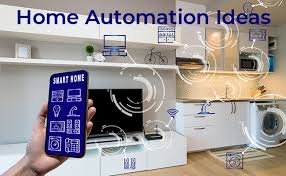
The Dawn of the Truly Intelligent Home
Imagine a home that anticipates your needs, optimizes comfort, and ensures security, all with minimal intervention from you. This isn’t science fiction anymore; it’s the future of living, arriving swiftly in 2025. The rapid evolution of technology is transforming our homes into responsive, intuitive environments, and at the heart of this transformation is Home Automation.
From controlling your lights with a voice command to having your coffee brew precisely when your alarm goes off, smart technology promises unparalleled convenience. This article will delve into what intelligent automation can do for your home in the coming year, showcasing practical applications and outlining the benefits of embracing this exciting frontier.
Revolutionizing Daily Living with Home Automation
In 2025, Home Automation isn’t just about controlling devices; it’s about orchestrating an entire living experience. Systems are becoming more interconnected and intelligent, learning your routines and preferences to create a truly personalized environment. This goes far beyond simple remote control, evolving into predictive and proactive management of your living space.
Think about mornings where your blinds gradually open, mimicking the sunrise, while your smart thermostat adjusts the temperature for your ideal wake-up comfort. Your smart speaker could then provide a personalized news brief and weather update as you start your day. These seamless integrations are designed to simplify your life and reduce daily friction.
Automated Routines and Personalized Experiences
The true power of Home Automation lies in its ability to create complex routines that adapt to your lifestyle. These routines can be triggered by time, sensor data, or even your location, ensuring your home is always ready for you.
- Morning Routines: As your alarm sounds, your bedroom lights slowly brighten, the coffee machine starts brewing, and the bathroom fan turns on.
- Evening Routines: As you head home from work, your smart lock disarms, the lights in your living room adjust to a warm glow, and your favorite playlist begins to play.
- Away Mode: When you leave the house, all lights turn off, the thermostat adjusts to an energy-saving setting, and security cameras activate, providing peace of mind.
These personalized routines not only save time but also contribute to a sense of effortless living. The goal is for your home to function as a silent, efficient assistant, handling mundane tasks so you can focus on what matters most.
The Central Nervous System: Smart Hubs and Ecosystems
To achieve this level of integration, a robust smart hub or a cohesive ecosystem is essential. These hubs act as the brain of your smart home, allowing different devices from various manufacturers to communicate and work together. Choosing the right one is crucial for a smooth and scalable Home Automation experience.
As the market matures, compatibility issues are becoming less prevalent, but selecting a primary ecosystem (like Amazon Alexa, Google Home, Apple HomeKit, or Samsung SmartThings) can simplify setup and management. These platforms often offer their own range of devices and integrate with many third-party products.
Comparison of Popular Smart Home Hubs (2025 Outlook)
| Product | Price | Pros | Cons | Best For |
|---|---|---|---|---|
| Amazon Echo Hub | $179 | Excellent voice control, wide device compatibility, strong integration with Amazon services. | Can feel overwhelming with too many features, privacy concerns for some users. | Alexa users, those wanting broad device support and strong voice interaction. |
| Google Nest Hub Max | $229 | Integrated display for video calls and visual controls, robust Google Assistant features, good camera for home monitoring. | Higher price point, privacy concerns, some devices require additional bridge. | Google ecosystem users, families wanting a central visual control panel, video communication. |
| Apple HomePod Mini | $99 | Seamless integration with Apple ecosystem, excellent sound quality for its size, strong focus on privacy. | Limited third-party device compatibility compared to others, primarily for Apple device owners. | Apple users prioritizing privacy, sound quality, and a streamlined experience. |
| Samsung SmartThings Hub V4 | $149 | Broad compatibility with Z-Wave, Zigbee, and Wi-Fi devices, highly customizable automation rules. | Requires more technical setup knowledge, app interface can be complex for beginners. | Tech-savvy users, those with diverse smart devices from different brands. |
Enhanced Security and Peace of Mind
One of the most compelling aspects of Home Automation in 2025 is the vastly improved security features it offers. Traditional alarm systems are evolving into comprehensive, intelligent monitoring networks that offer real-time alerts and proactive protection. This provides an unprecedented level of peace of mind, whether you’re at home or away.
Smart security systems are designed to detect various threats, from intruders to environmental hazards like smoke or water leaks. They integrate seamlessly, offering a holistic view of your home’s safety and enabling quick responses to potential issues.
Proactive Threat Detection and Response
Modern smart security systems leverage advanced sensors and AI to identify potential threats before they escalate. This proactive approach significantly enhances your home’s protection.
- Smart Cameras: Equipped with AI-powered facial recognition and motion detection, these cameras can differentiate between pets, vehicles, and unknown individuals, sending alerts only when necessary. Some can even identify packages delivered.
- Integrated Sensors: Door and window sensors, glass-break detectors, and vibration sensors provide multi-layered perimeter security. These can trigger alarms, turn on lights, and send notifications to your phone.
- Smart Locks: Keyless entry, remote locking/unlocking, and temporary access codes for guests or service providers offer convenience and enhanced control over who enters your home.
- Alarm Integration: In 2025, systems can often connect directly to professional monitoring services, ensuring rapid response from authorities in case of an emergency.
Beyond intruder detection, Home Automation also extends to protecting against environmental dangers. Smart smoke detectors can notify you on your phone even if you’re not home, while smart water leak detectors can prevent costly damage by alerting you to a burst pipe or overflowing tub.
Smart Energy Management and Sustainability
As concerns about climate change and rising energy costs grow, Home Automation offers powerful solutions for energy efficiency and sustainability. Intelligent systems can optimize energy consumption, reduce waste, and even integrate with renewable energy sources, helping you save money and reduce your carbon footprint.
The ability to monitor and control energy usage in real-time empowers homeowners to make informed decisions and automate energy-saving practices without sacrificing comfort. This shift towards smarter energy management is a key benefit of adopting home automation technologies.
Optimizing Your Carbon Footprint
Smart devices provide granular control over your home’s energy consumption, leading to significant savings and environmental benefits. Automation plays a critical role in making these savings effortless.
- Smart Thermostats: These devices learn your preferred temperatures and daily schedules, automatically adjusting heating and cooling to maximize efficiency. Some can even sense when you’re away and enter an eco-mode. According to the U.S. Department of Energy, a properly programmed smart thermostat can save homeowners around 10% on heating and cooling costs.
- Smart Lighting: Dimmers, occupancy sensors, and scheduling capabilities ensure lights are only on when needed and at the appropriate brightness. LED smart bulbs consume significantly less energy than traditional incandescent bulbs and offer greater longevity.
- Smart Plugs: These allow you to turn off power to “vampire” devices (electronics that draw power even when turned off) from anywhere, eliminating standby energy waste. They also provide energy monitoring for connected appliances.
- Appliance Monitoring: Future Home Automation systems will offer even deeper insights into individual appliance energy use, helping you identify and replace inefficient devices.
The integration of smart meters and AI-driven energy management platforms will become more common, offering personalized recommendations for reducing consumption. Some systems can even dynamically adjust usage based on peak energy pricing, saving you money during expensive hours.
Personalized Comfort and Entertainment
Beyond security and efficiency, Home Automation excels at enhancing personal comfort and elevating entertainment experiences. Imagine a living space that transforms instantly to match your mood, whether you want to relax, entertain guests, or focus on work. This level of customization is becoming standard in smart homes.
The integration of various smart devices creates an immersive and responsive environment, turning your home into a sanctuary tailored precisely to your desires. This bespoke experience is a major driver for the adoption of comprehensive home automation systems.
Creating Your Ideal Ambiance
Smart technology allows you to finely tune every aspect of your environment, from lighting to sound, to create the perfect mood for any occasion.
- Dynamic Lighting: Smart bulbs offer millions of color options and various shades of white, allowing you to set the perfect scene. Automate changes based on the time of day, your activity, or even your favorite music.
- Climate Control: Beyond just temperature, smart air purifiers and humidifiers work in conjunction with your thermostat to maintain optimal air quality and humidity levels, contributing to overall comfort and health.
- Window Treatments: Automated blinds and shades can open or close based on sunlight, privacy needs, or your scheduled routines, managing natural light and providing insulation.
Seamless Entertainment Integration
Your Home Automation system can become the ultimate entertainment hub, bringing together all your media devices for a truly integrated experience.
- Whole-Home Audio: Stream music wirelessly to multiple rooms, playing different songs in different zones or syncing the same playlist throughout your home for parties.
- Home Theater Automation: With a single command, dim the lights, close the blinds, turn on your projector and sound system, and start your movie.
- Voice Control: Control your TV, streaming services, and music libraries using simple voice commands, eliminating the need for multiple remotes.
The synergy between these elements means your home doesn’t just respond; it anticipates and enhances your lifestyle, making every moment more enjoyable.
Choosing Your Home Automation Ecosystem
Embarking on your Home Automation journey in 2025 means making informed decisions about the ecosystem you choose. The market offers a diverse range of options, each with its strengths and weaknesses. It’s crucial to select a system that aligns with your needs, budget, and technical comfort level.
Consider future expansion, device compatibility, and the level of control you desire. A well-chosen ecosystem will serve as a reliable foundation for years to come, enabling seamless integration and effortless management of your smart devices.
Key Considerations for Your Smart Home Setup
Before diving in, take time to assess what you truly want your smart home to achieve. This strategic planning will save you time and money in the long run.
- Define Your Priorities: Are you primarily interested in security, energy savings, convenience, or entertainment? Knowing your main goals will help narrow down product choices.
- Ecosystem Compatibility: Decide on a primary platform (e.g., Apple HomeKit, Google Home, Amazon Alexa, SmartThings) and stick with devices that are compatible. While many devices support multiple platforms, choosing a primary hub can simplify management.
- Connectivity Protocols: Understand the differences between Wi-Fi, Bluetooth, Zigbee, and Z-Wave. Zigbee and Z-Wave often require a dedicated hub but create a more robust mesh network, ideal for extensive Home Automation setups.
- Scalability: Start small with a few essential devices, then gradually expand your system. Ensure your chosen hub or platform can accommodate future additions without becoming obsolete.
- Budget: Smart home technology ranges widely in price. Set a realistic budget and prioritize the features that offer the most value for your investment. Remember, many smart devices offer long-term savings on energy bills.
- Privacy and Security: Research the security practices of manufacturers. Choose reputable brands that prioritize user data privacy and offer strong encryption for their devices and cloud services.
Investing time in planning will ensure your Home Automation system grows with you, delivering lasting value and transforming your home into the intelligent, responsive space you envision for 2025 and beyond.
The landscape of Home Automation in 2025 is rich with possibilities, offering unparalleled convenience, enhanced security, significant energy savings, and deeply personalized comfort. From automating mundane tasks to orchestrating complex entertainment scenes, smart technology is ready to transform your living experience. The key is to approach this transformation strategically, selecting the right tools and building an ecosystem that truly serves your needs and desires.
Embracing these advancements means stepping into a future where your home actively works to improve your life. Start exploring the options today and discover how intelligent automation can make your home in 2025 more efficient, secure, and enjoyable than ever before. For more insights or collaboration opportunities, visit www.agentcircle.ai.
Frequently Asked Questions (FAQ)
What exactly is Home Automation?
Home Automation refers to the automatic control of electronic devices in your home, allowing them to communicate with each other and be controlled remotely. This includes everything from lighting and thermostats to security systems and entertainment setups, all working together to simplify and enhance your living experience.
Is Home Automation expensive to install?
The cost of Home Automation can vary widely. You can start with a few smart devices, like a smart speaker and a few smart bulbs, for a relatively low initial investment. More comprehensive systems, including professional installation of smart wiring and a central hub, can be more expensive. Many homeowners find that the long-term savings on energy bills and increased home value justify the investment.
Do I need an internet connection for Home Automation?
Most modern smart home devices rely on an internet connection (Wi-Fi) to function fully, especially for remote control and integration with cloud-based services like voice assistants. However, some devices use local protocols like Zigbee or Z-Wave, which can still operate basic automations locally even if your internet goes down, provided the hub remains powered.
What are the main benefits of a smart home?
The primary benefits of a smart home include increased convenience through automated routines, enhanced security features with smart cameras and locks, significant energy savings through intelligent climate and lighting control, and improved comfort and entertainment options through integrated media systems. It essentially makes your home more responsive and efficient.
Are smart home devices secure from hacking?
While no system is entirely impervious to threats, reputable smart home device manufacturers implement strong security measures, including encryption and regular software updates. It’s crucial for users to also practice good cyber hygiene, such as using strong, unique passwords, enabling two-factor authentication, and keeping device firmware updated to minimize risks.